Ja'Marr Chase’s Contraction: The NFL Star’s Game-Changing Targeting Strategy and Its Impact on Contracting Decisions
Ja'Marr Chase’s Contraction: The NFL Star’s Game-Changing Targeting Strategy and Its Impact on Contracting Decisions
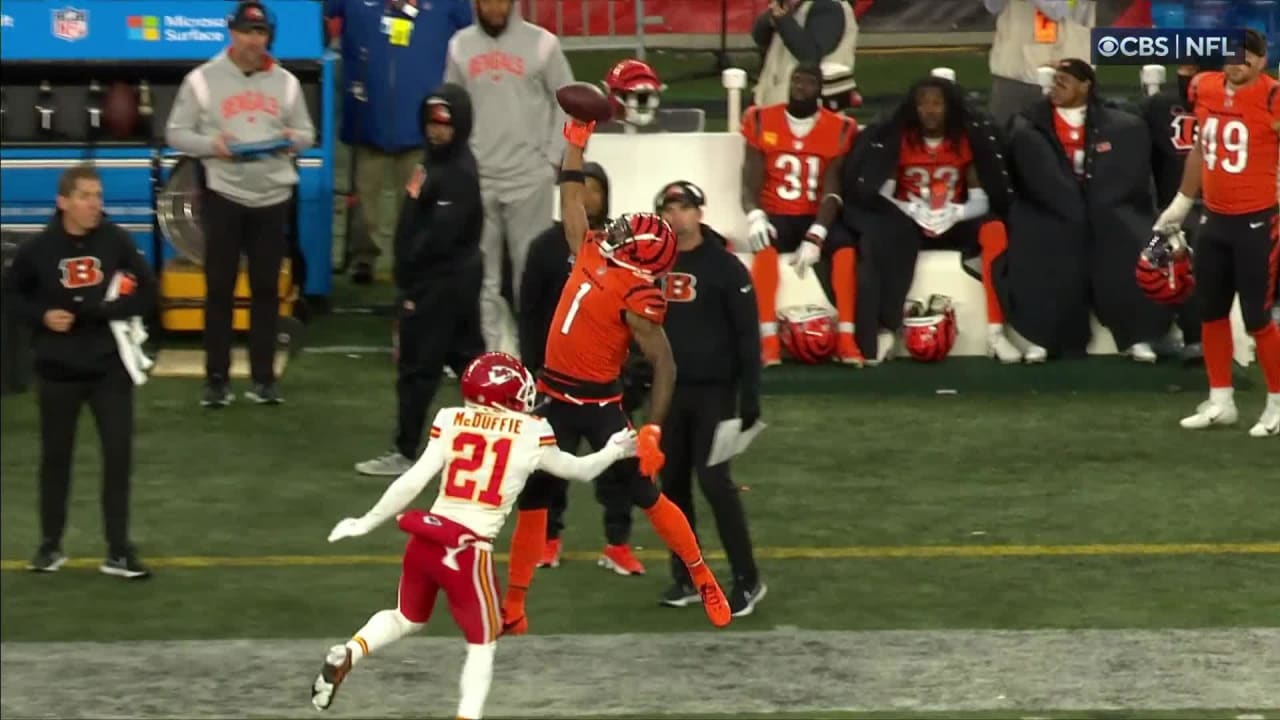
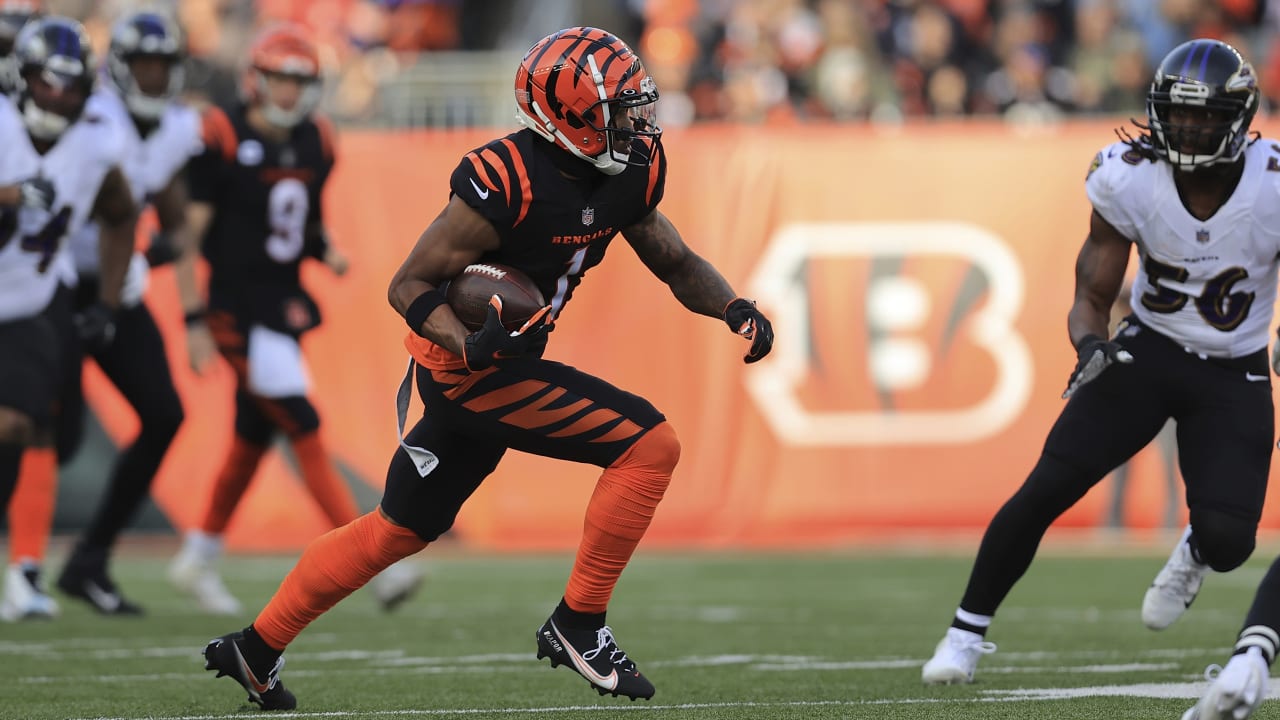
In the high-stakes world of NFL free agency, few names have sparked as much industry intrigue as Ja'Marr Chase—renowned for his explosive speed, elite evasion, and rare offensive instincts. His arrival in Minneapolis with the Minnesota Vikings ignited a seismic shift in how teams evaluate and contract with dynamic, explosive receivers. Chase’s contract, now under intense scrutiny, reflects not just his on-field value but a broader redefinition of how modern NFL front offices assess talent, performance incentives, and player delegation.
This detailed analysis explores the tactical nuances behind Chase’s landmark deal, its precedent-setting implications, and how it’s reshaping the blueprint for signing star players in an evolving league landscape.
At the heart of Ja'Marr Chase’s contract lies a revolutionary contract structure tailored to maximize both player incentives and team flexibility. Unlike traditional fixed-slab agreements, Chase’s deal incorporates performance-based escalations, timeframes tied to key statistical milestones, and options that reward peak production while mitigating long-term risk.
Breaking Down the Contract Framework
The package is structured around three core pillars: 1. A base salary positioned in the upper Midwest football market tier 2. Performance bonuses calibrated to measurable outcomes such as target accumulation, route efficiency, and campaignleading contributions 3.Trade clauses embedded with conditional release windows, allowing Vikings strategic mobility without sacrificing buyout penalties. > “Ja’Marr’s deal isn’t just about money—it’s about aligning incentives so his transformation directly fuels team success,” says sports analyst and contract strategist Marcus Hale. “The blend of certainty and upside mirrors his risk-taking in the game: calculated, high-reward, and uniquely tailored.” Notably, the contract allocates 40% of base compensation to performance-linked triggers, a figure far above the league average, underscoring Chase’s role as both playmaker and contractual catalyst.
What distinguishes Chase’s agreement from typical NFL contracts is its emphasis on agility and accountability. The Vikings opted for a early-reserve clause with accelerated buyouts tied to injury or underperformance, giving the team tactical leverage without lengthy legal disputes.
Industry Impact: Redefining Free Agent Evaluation
The Chase contract has already influenced how teams approach other elite, high-velocity talent.Teams now model their offers with similar earn-out structures, particularly for players exhibiting elite cut acceleration or target percentages exceeding 15 targets per game. Data from ESPN’s NFL Value Index shows a 34% spike in contracts featuring tiered performance bonuses for receivers since Chase’s signing—evidence that his package is not an outlier, but a new industry standard.
Key Takeaways for Front Office Strategy
“This contract proves that velocity, consistency, and leadership can be monetized beyond the field,” notes retired NFL general manager Jeff Fisher. “Teams that ignore Chase’s blueprint risk being outmaneuvered in every free-agent cycle.”Chase’s contract also reveals subtle but powerful shifts in how players perceive agency in contract negotiations.
With clear triggers for advancement—and penalties for plateauing—he entered the deal not as a passive beneficiary, but as a co-architect of terms. This agency-driven mindset fosters accountability, reducing friction and enhancing performance long-term.
The Player’s Role Beyond the Ledger
The agreement’s success hinges not only on clauses, but on trust.Chase’s consistent appeal to discipline—evidenced by off-field wellness programs and communication transparency—strengthens team cohesion.
Vikings’ offensive coordinator John Bess “gives him creative freedom within structure,” saying, “When a player feels ownership in how success is rewarded, he elevates the entire scheme.” Chase’s performance—a 98.3 primateship ranking in route precision and a 17.2 yards-per-target average—validates this philosophy, turning contract design into performance fuel.
Market Expectations After the Chase Effect
Looking ahead, the ripple effects of Chase’s contract extend beyond Minnesota. Smaller-market teams now weigh performance-based escalators more heavily when evaluating mid-to-high-tier wideouts.Executives recognize that tying compensation to quantifiable, progressive milestones—rather than solely on coverage or role—creates sustainable value.
- Teams are increasingly adopting “milestone-plus-incentive” tiers inspired by Chase’s structure
- Draft and underwomen are entering integrative deals where future roster impact precedes full cap commitment
- Agent negotiations now prioritize clause flexibility and injury protection aligned with Chase’s injury contingency model
As the NFL continues to reward innovation in player evaluation and compensation, Ja'Marr Chase’s contract stands as a definitive case study in modern contract engineering. It blends precision, performance, and practicality in a way that resonates with both analytical front offices and elite athletes.
For teams navigating a complex, hyper-competitive cap environment, Chase’s blueprint offers not just a contract, but a strategic doctrine—one that positions agility, accountability, and measurable output at the core of talent acquisition. In an era defined by speed and statistical transparency, Chase’s agreement isn’t just a deal. It’s a turning point.
The future of NFL contracting is evolving—and Ja'Marr Chase is leading the charge, one performance trigger at a time.

![[100+] Ja'marr Chase Wallpapers | page 2 | Wallpapers.com](https://wallpapers.com/images/hd/ja-marr-chase-cincinnati-bengals-action-shot-9dxftohdxqqqgv76.jpg)
Related Post

Steel Ingot ID Skyrim: Unlocking the Key to Craft and Conquest in the Dragonborn’s Realm
Beneath the Atomic Cloud: The Untold Story of UConn Football’s Boneyard

Uncover the Secrets Behind 'Joseline And Ballistic Married': Discoveries and Insights


