Trade With Villagers: Reviving Local Economies Through Direct, Ethical Commerce
Trade With Villagers: Reviving Local Economies Through Direct, Ethical Commerce
In remote villages and rural communities across the globe, a quiet revolution is underway—one where globalization no longer flows solely through corporations, but instead pulses through direct, human-centered trade with local producers. “Trade with villagers isn’t just about buying handmade goods; it’s about rebuilding trust, supporting sustainable livelihoods, and reconnecting people to the origins of their consumption,” says Amina Diallo, a trade development expert with the International Rural Economic Network. Far from weekend flea markets, this model emphasizes authentic, respectful partnerships between global consumers, local artisans, farmers, and traders—transforming outdated supply chains into meaningful economic lifelines.
What Makes Trade With Villagers Different?
At its core, trading directly with villagers bypasses middlemen, ensuring a far greater share of profits reaches the producer.
Traditional trade models often strip small-scale vendors of fair value, leaving artisans and farmers dependent on exploitative pricing and opaque systems. By contrast, when consumers engage directly—whether through cooperatives, digital platforms, or field-based partnerships—they empower communities to control their economic destinies. This shift fosters long-term sustainability: - Farmers receive fair wages for organic crops, reducing poverty and incentivizing eco-friendly farming.
- Artisans preserve traditional crafts, passing skills across generations. - Local economies thrive as revenue circulates within villages rather than draining away. “The core value lies in transparency and reciprocity,” notes Dr.
Rajiv Mehta, economist and advisor on fair trade systems. “When buyers engage directly, they don’t just trade goods—they invest in people.”
Case examples illustrate the tangible impact: - In the highlands of Peru, Quechua communities now sell handwoven textiles and quinoa directly to eco-conscious global buyers, doubling their household incomes within three years. - In rural Vietnam, coffee farmers bypass importers through a blockchain-enabled platform that ensures real-time payments and traceability.
- A network in Kenya connects Maasai craftsmen with international markets, preserving cultural identity while generating steady income.
Challenges in Scaling Community-Based Trade
Despite its promise, scaling trade with villagers faces complex barriers. Infrastructure gaps—poor roads, limited internet access—hinder logistics and communication. Cultural misunderstandings can undermine trust if not navigated carefully, while inconsistent supply due to seasonal harvests complicates reliable delivery.
Equally vital is overcoming the dominance of large-scale agribusiness and retail chains that prioritize volume over integrity. “Many global buyers still favor standardized, mass-produced goods, making it hard for small village producers to compete,” explains Fatima Ndiaye, founder of a pan-African fair trade cooperative. “We’re not just selling products—we’re building alternative systems.”
Yet solutions are emerging.
Digital tools tailored for low-bandwidth environments enable real-time order tracking and secure payments. Local facilitators—often trained villagers—bridge cultural and language divides, acting as honest brokers between scales. Programs focusing on quality control, financial literacy, and collective branding strengthen community resilience and market readiness.
“The key is empowering villagers to lead, not just participate,” says Diallo, emphasizing that lasting change requires choice, not just charity.
Pathways to Sustainable, Inclusive Trade
For trade with villagers to thrive long-term, convergence across stakeholders is essential. Governments must invest in rural infrastructure—upgrading roads, expanding broadband, and supporting legal frameworks that protect producer rights. International organizations can amplify impact by standardizing ethical certification and funding grassroots networks.
Businesses, too, play a vital role by adopting transparent sourcing policies and fair pricing. Educational initiatives that teach both villagers and buyers about sustainable practices deepen mutual respect. When a Brazilian cocoa farmer learns global buyers value traceability and origin stories, and when a Swiss shopper understands the journey behind their hand-carved wooden jewelry, transactions evolve into shared values.
“The future lies in linking local wisdom with global demand through intentional, equitable exchange,” Mehta concludes. “Trade with villagers isn’t a niche trend—it’s the blueprint for a fairer, more resilient global economy.”
As these stories spread, one truth becomes unmistakable: trade with villagers is far more than commerce—it’s a bridge between cultures, a force for equity, and a vital path toward sustainable development. By choosing to engage with the world’s unsung producers, consumers become whether they realize it or not—active participants in a movement redefining what it means to trade in the 21st century.


Related Post

Thomas Zizzo Sr.: Architecting Success in Real Estate Through Visionary Leadership
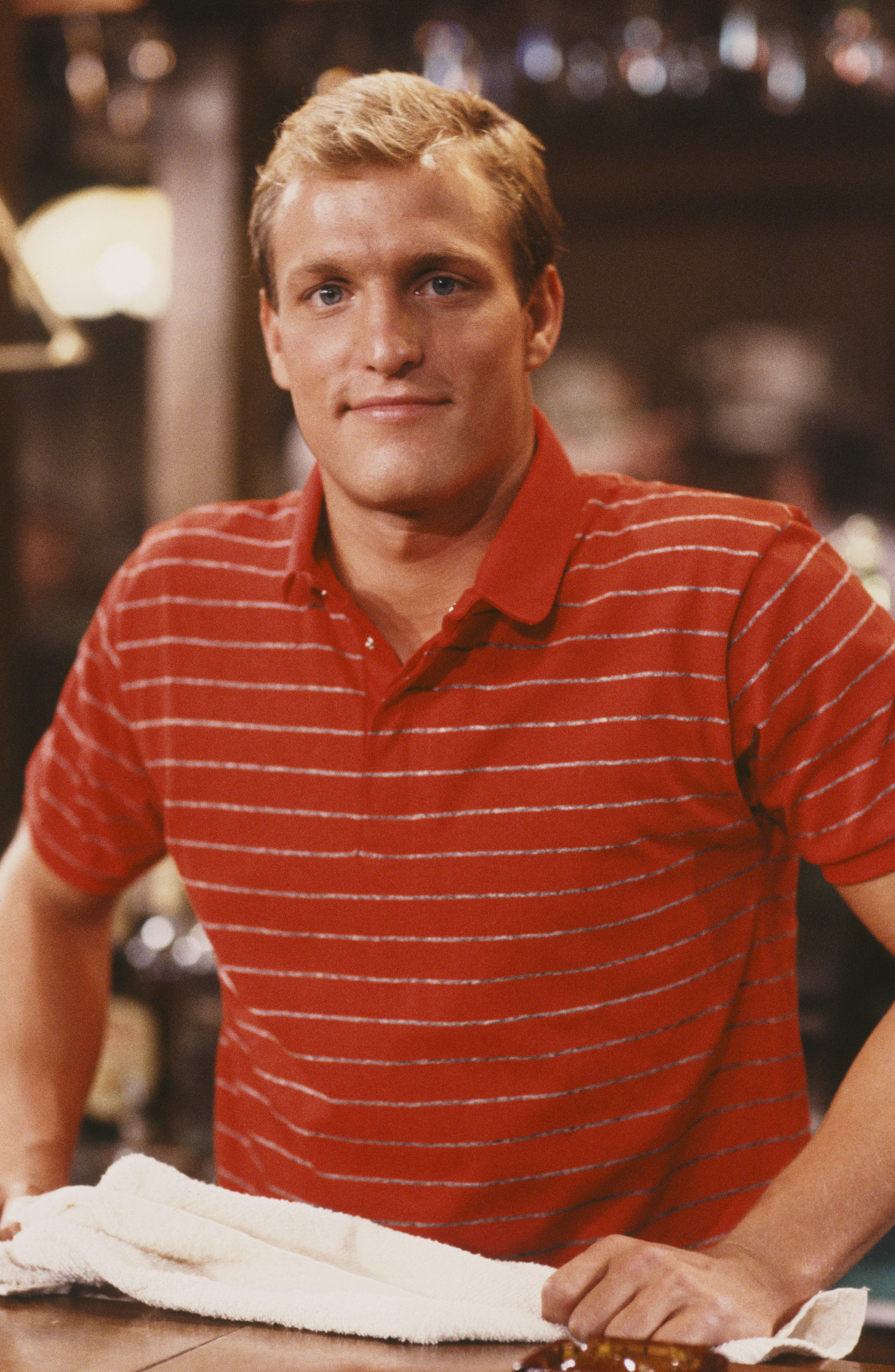
Deni Montana Harrelson Woody Harrelson: The Charismatic Force Behind a Legacy of Grit and Grace
Paul Reubens: Peewee Herman’s Velocity Icon Dies at 70, Ends a Pub Crawl With Legacy That Endures</h2> In a twilight marked by both cinematic memory and untold facets of his life, Paul Reubens, the man behind the slobbery, eccentric, and outspoken Peewee Herman, passed away at 70. Known for redefining childhood rebellion on screen, Reubens’ death closes a chapter in American pop culture, one that blended vulgar humor with heartfelt authenticity. Once a household name from the 1980 hit film, his legacy extends far beyond the red-and-white striped shorts, now inseparable from the character who captured a generation’s cantankerous charm. <p>Born in Baltimore, Maryland, in 1952, Reubens emerged not just as an actor but as a performer unafraid of pushing boundaries. His embodiment of Peewee Herman—a defiant, snarly-haired antihero—blended physical comedy with sharp, streetwise dialogue that struck a chord with audiences hungry for authenticity. The Peewee Herman series, though commercially successful, often overshadowed Reubens’ broader artistic range. Few realize he appeared in Broadway plays, voice acting, and even avant-garde theater, proving his talents extended well beyond children’s television. As *Chicago Sun-Times* noted in its obituary, “Reubens was more than a child star—he was a performer who leveraged innocence into subversion.” <h3>A Career Built on Risk and Voice</h3> Reubens’ early career was defined by bold choices. Before Peewee, he starred in off-Broadway productions such as *The Spook Who Sat by the Door*, where his dramatic range simmered beneath the surface, hinting at complexity beneath the goof. With Peewee Herman, launched in 1985, he abandoned subtlety entirely: “Make them laugh, make them weird, make them remember,” Reubens once said, capturing the essence of his performative philosophy. The character’s signature voice—raspy, gravelly, dripping with sass—became iconic, a vocal signature recognized by millions. <p>The 1980s explosion of Peewee Herman’s films turned Reubens into a curious cultural paradox: a serious actor whose most beloved role was pure absurdity. Yet, in interviews, he insisted his performance was deliberate—a nuanced portrait of teenage defiance. “I didn’t play a cartoon character,” he explained. “I played a version of me—rough around the edges, protective of friends, screwed up, but loyal.” This authenticity resonated in an era increasingly skeptical of artificial corporate branding, making Peewee’s appeal timeless. <h2>Personal Life and Shadows Beyond the Spotlight</h2> Beyond the screen, Reubens navigated a life marked by both acclaim and private complexity. Always a confessed fan of rock ’n’ roll and jazz, his persona extended into music and visual art, though these pursuits rarely entered mainstream discourse. He resided in New York’s Greenwich Village, a neighborhood steeped in artistic tradition, maintaining long-standing friendships with peers across disciplines. <p>Despite the glare of fame, Reubens valued privacy fiercely. The Velvet Crimeoclub — a performance space and cultural hub — served as a sanctuary where he entertained trusted artists and writers. In rare public appearances, he spoke candidly of battling creative stagnation and the weight of typecasting, once remarking, “People remember the mask, not the man.” Such reflections humanized the performer, revealing layers beneath the red-and-white attire. <h3>Leadership, Mentorship, and the Legacy of Peewee</h3> Reubens’ influence reached beyond performance into mentorship. He supported emerging artists through workshops and collaborative projects, particularly those exploring boundary-pushing storytelling. The Peewee Herman Archive, now studied in theater programs, illustrates how he transformed personal quirks into universal themes of identity and belonging. <p>The character became a cultural touchstone, symbolizing youthful rebellion and resilience, but Reubens resisted reducing himself to a symbol. “Herman isn’t me,” he clarified in *Sun-Times* features, “he’s a story I inherited—and a story I continue telling, oddly enough, decades later.” This duality—public icon, private craftsman—defined his enduring presence. <h2>Enduring Impact: Why Peewee Herman Still Slaps the Nerve</h2> Even after the curtain fell, Peewee Herman retains pulse in internet memes, fashion revivals, and genre homages. His snarl, “You ya ridiculous—bury me!” echoes in viral clips and social commentary. Yet Reubens’ true legacy lies not in viral fame but in the authenticity he brought to every role. <p>Critics and fans alike praised his ability to fuse humor with emotional truth. As theater historian Dr. Elena Park observed, “Reubens taught audiences that vulnerability and absurdity coexist. He made slobberness feel sincere.” Whether in a Intervals show, a Broadway curtain call, or a private art session, Paul Reubens remained fundamentally creative—too often typecast, never fully understood. <h1>Paul Reubens, Peewee Herman’s Velocity Icon Dies at 70 — Ends a Velocity Legacy That Never Grew Old

Install Apps On LG Smart TV: Your Step-by-Step Guide to Expanding Entertainment in Seconds


